
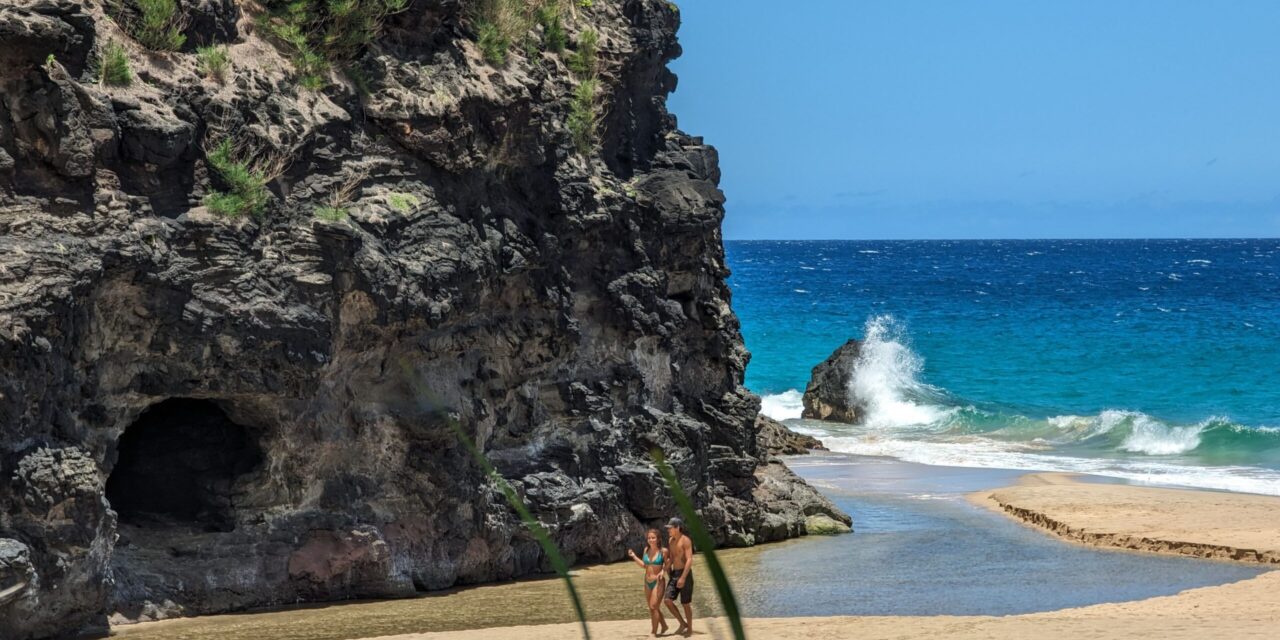
Kauai’s Na Pali Coastline is home to some of the most spectacular scenery on earth, and the hike into Hanakāpīʻai Valley is the ultimate way for day-hikers to experience it. However, because it is easily accessible from Kēʻē Beach, many travelers treat it like a casual walk in the park.
Underestimating this terrain can quickly turn a dream vacation into a dangerous emergency. To keep your trek safe and memorable, make sure you avoid these five common Hanakāpīʻai Trail mistakes made by unprepared hikers.
1. Showing Up Without a Hāʻena State Park Reservation
You cannot simply drive up to the trailhead and park. To protect the natural resource, the State of Hawaii requires all non-residents to secure an advanced day-use reservation for parking, entry, or the park shuttle.
- The Reality: Passes frequently sell out weeks in advance. If you show up at the gate without your QR code voucher, park rangers will turn you away, and you will miss out on the hike entirely.
2. Wearing the Wrong Footwear (Like Flip-Flops)
Because the trail begins right next to a world-class beach, it is incredibly common to see tourists attempting the climb in basic sandals, flip-flops, or smooth-soled running shoes.
- The Reality: The initial climb consists of steep, slick volcanic rocks, and the interior valley path is a notorious red-clay mud bog. Attempting this hike without rugged trail runners or proper hiking boots with deep traction is a recipe for a rolled ankle or a severe slip.
3. Treating the Stream Crossings Carelessly
The four-mile trek to Hanakāpīʻai Falls requires crossing the valley stream a total of four times. On a clear day, these crossings are a fun, ankle-deep scramble across slick rocks.
- The Reality: Sudden mountain downpours miles upstream can trigger massive, violent flash floods without warning, turning the peaceful river into a raging, chocolate-brown wall of debris. If the water is rising, muddy, or past your knees, never attempt to cross. It is always safer to get temporarily stranded on high ground and wait for the water to recede.
4. Wading Into the Ocean at Hanakāpīʻai Beach
After a grueling, humid two-mile coastal hike, descending onto the golden sands of Hanakāpīʻai Beach makes the ocean look incredibly inviting.
- The Reality: This is widely considered one of the deadliest beaches in Hawaii. Because the valley mouth completely lacks an outer protective reef, the shoreline is plagued by monstrous shore breaks and powerful, invisible rip currents. Dozens of people have been swept off the ledge and out to sea here. Maintain an absolute zero-entry policy and enjoy the view safely from dry land.

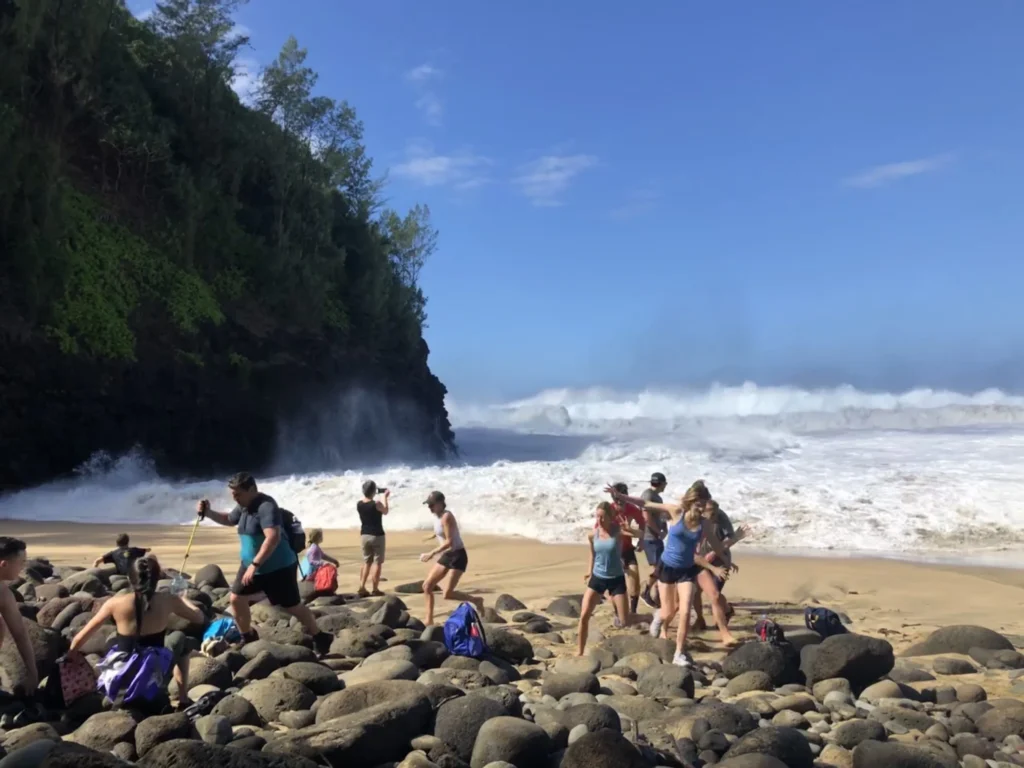
5. Turning Your Back on the Shoreline (Rogue Waves)
Many hikers think they are perfectly safe from the ocean as long as they stay out of the water and rest on the dry volcanic rock shelves surrounding the beach.
- The Reality: The Na Pali Coast is infamous for sudden, massive rogue waves—unpredictable swells that explode over the rock buffers far past the normal surf line without warning. A rogue wave can instantly submerge a dry shelf, lifting heavy logs and dragging hikers across glass-sharp rocks. Never turn your back on the ocean while eating lunch or taking photos.
Ready to Level Up Your Na Pali Adventure?
Avoiding these basic day-hiking mistakes is the key to conquering Hanakāpīʻai Valley safely. But if you are looking to push deeper into the wilderness, the trail transitions from a rugged day hike into a world-class backpacking expedition.
Hiking past the Hanakāpīʻai signpost requires an official, hard-to-get camping permit to navigate the full 11-mile route all the way to Kalalau Beach, crossing exposed cliff edges and the infamous Crawler’s Ledge.
For elite gear checklists, advanced permit-booking strategies, and real-time safety updates for the entire coastline, head over to our primary master hub: