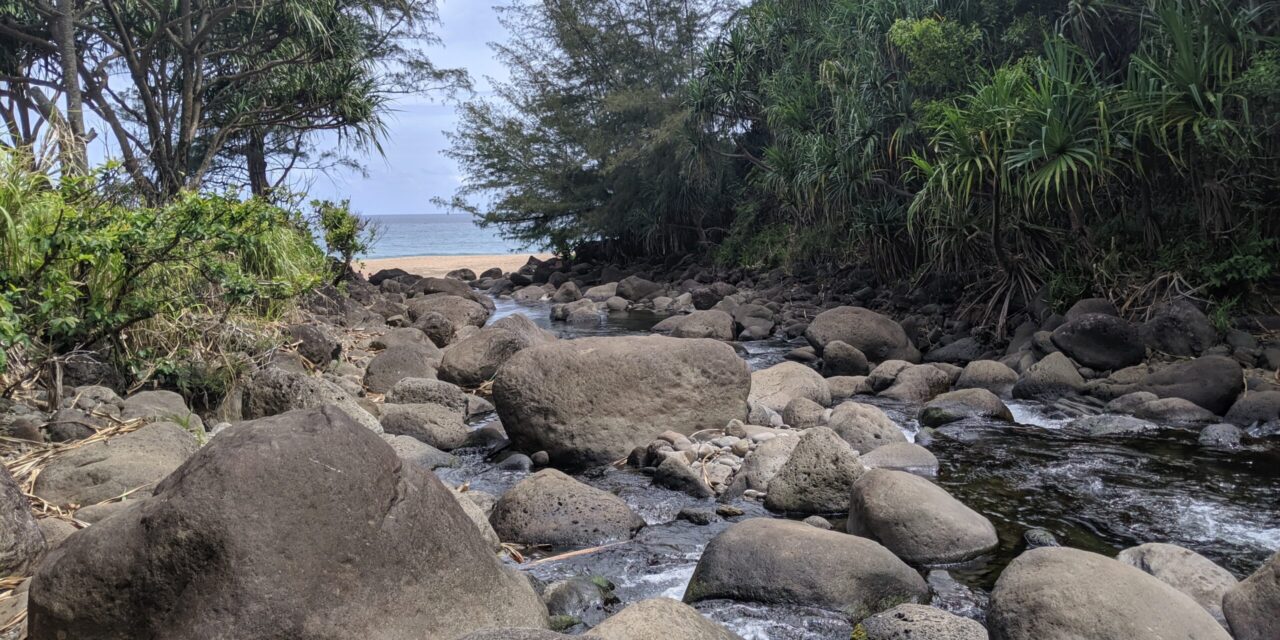
Today, Hanakāpīʻai Valley is celebrated worldwide as a breathtaking tropical paradise for adventurous day-hikers. But long before it became a bucket-list destination on Kauai’s North Shore, this deep emerald cleft in the Na Pali Coastline was a bustling, self-sustaining community rich with cultural heritage.
To truly appreciate the trek, it helps to understand the deep Hanakāpīʻai Valley history and the generations of people who once called these steep cliffs home.
Ancient Hawaiian Roots & The Taro Economy
Centuries before Western ships arrived in the Hawaiian Islands, Hanakāpīʻai was a vibrant ahupuaʻa—a traditional, self-sustaining slice of land extending from the mountain peaks down to the ocean.
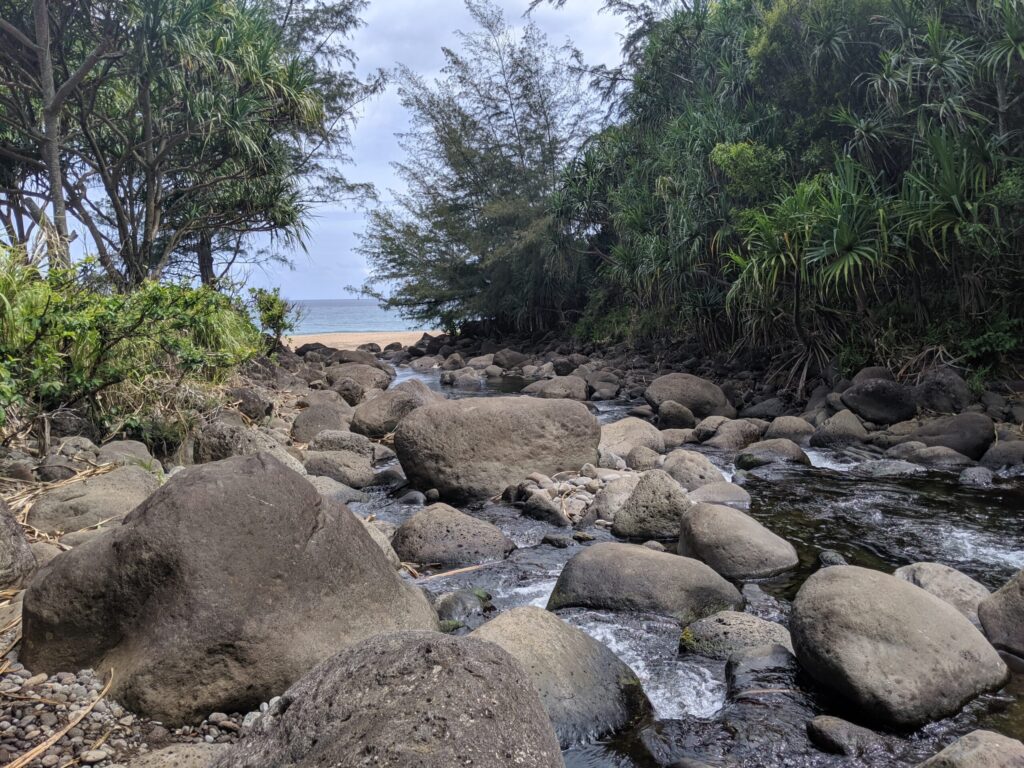
Because the valley floor features a rushing freshwater stream and rich volcanic soil, ancient Native Hawaiians (Kānaka Maoli) engineered a highly sophisticated agricultural ecosystem here.
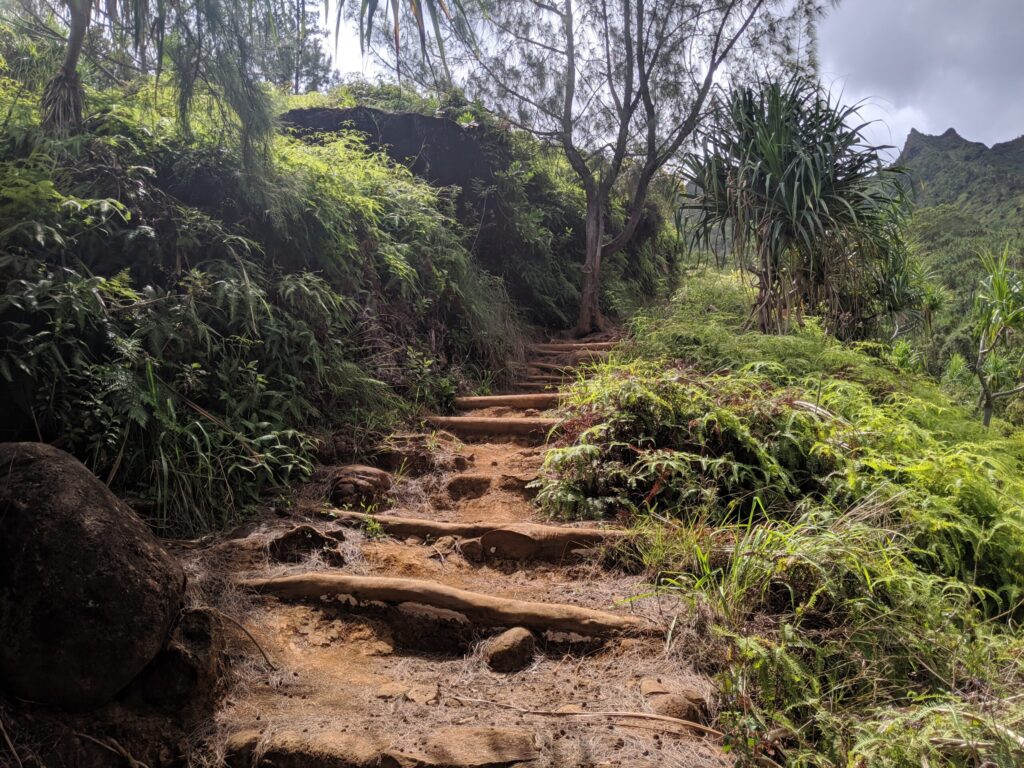
- The Taro Terraces (Loʻi Kalo): If you look closely into the jungle foliage while hiking the inland trail toward the waterfall, you can still see the remains of ancient stone walls. These are remnants of extensive loʻi (irrigated terraces) used to cultivate kalo (taro), the spiritual and nutritional staple of Hawaiian life.
- A Self-Sustaining Coastline: The residents of Hanakāpīʻai were masters of sustainability. They used the valley for farming fruits and sweet potatoes, the surrounding forests for gathering building materials, and the ocean at the mouth of the valley for seasonal fishing.
The 19th Century and Changing Tides
As the Kingdom of Hawaii evolved through Western contact in the 1800s, the demographics of the isolated Na Pali Coast began to shift. While western commerce pulled many residents toward growing port towns like Waimea and Hanalei, Hanakāpīʻai remained occupied far longer than many other remote valleys.
By the late 1800s, the valley economy adapted to include commercial coffee cultivation. Historical records indicate that a small schoolhouse even operated in the area to serve the families working the valley lands. However, the extreme isolation of the coast—accessible only by foot, canoe, or the narrow cliff paths—made competing with large-scale plantation ports unsustainable over time. By the early 20th century, the permanent resident population had largely relocated.
The Modern Era: Preservation and Stewardship
In modern history, the valley transitioned from an agricultural hub into a wild, protected sanctuary. Recognizing the pristine beauty and historical significance of the coastline, the State of Hawaii established the Na Pali Coast State Wilderness Park, encompassing Hanakāpīʻai within Hāʻena State Park.
Today, strict preservation laws ensure that the ancient archaeological sites and stone terraces hidden beneath the jungle canopy are protected for generations to come. Modern management focus has shifted toward balancing tourism with ecological stewardship—ensuring that hikers can witness this historic landscape safely and respectfully.
Ready to Explore Deeper Along the Coast?
Hanakāpīʻai Valley marks the historical boundary for casual day travelers. In ancient times, as is true today, traveling deeper into the rugged terrain past the valley floor required immense preparation and respect for the elements.
Past the valley signpost, the route transforms into the full, grueling 11-mile Kalalau Trail—leading to isolated valleys like Hanakoa and the legendary hanging valleys further down the coast.
For complete historical deep-dives of the full coastline, comprehensive gear checklists, and expert survival strategies for navigating advanced obstacles like Crawler’s Ledge, visit our ultimate master resource hub: